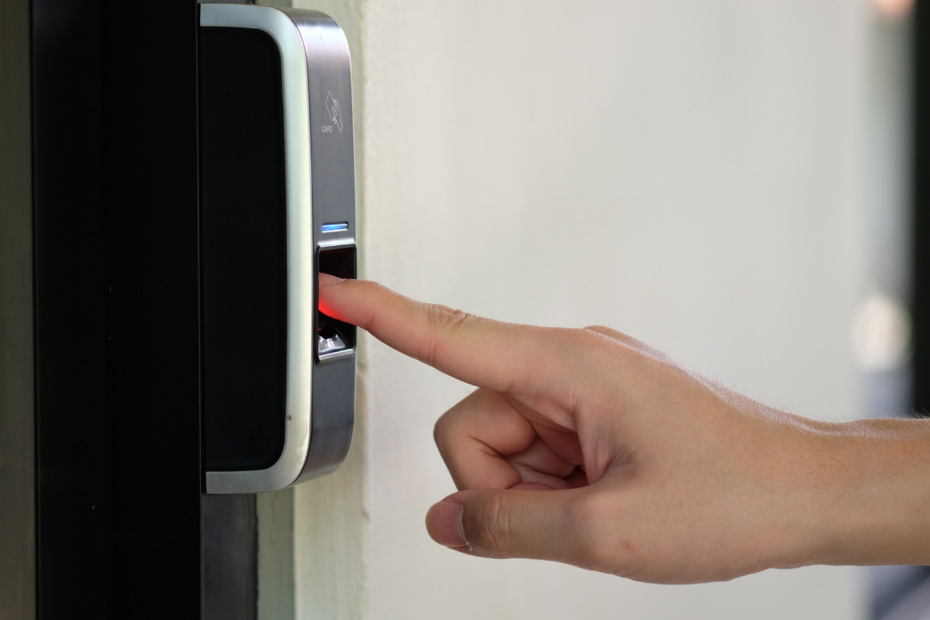
Access control systems are designed to restrict access to specific areas or resources within a building or facility. Installing an access control system can improve the security of your facility and help ensure that only authorized personnel are allowed access to restricted areas.
Here are the steps involved in installing an access control system:
- Assess your needs: The first step is to assess your security needs and determine what type of access control system will work best for your facility. Consider the areas that need to be secured, the number of employees or visitors who require access, and the level of security required.
- Choose the right system: There are many different types of access control systems available, including card readers, biometric systems, and keypads. Choose the Right machine that best fits your needs.
- Plan the installation: Plan the installation of the access control system carefully. Determine where the system will be installed, the number of access points required, and any wiring or cabling needed.
- Install the hardware: Once you have a plan in place, install the hardware for the access control system. This may include card readers, biometric scanners, keypads, and other components.
- Install the software: Next, install the software for the access control system. This software will allow you to manage user access, set permissions, and monitor activity within the system.
- Test the system: After installation, test the access control system to ensure that it is functioning properly. This includes testing access permissions, alarms, and monitoring capabilities.
- Train users: Once the system is installed and tested, train users on how to use the system effectively.
By following these steps, you can ensure that your access control system is installed properly and effectively enhances your facility’s security.


Access Control system Components and Connections
Access control systems typically consist of several components that work together to control and monitor access to restricted areas. Here are some of the most common components and their connections:
- Access control panel: This is the central control unit for the access control system. It is responsible for managing user access permissions, monitoring access events, and communicating with other components of the system. The access control panel is typically connected to the other components of the system via Ethernet or other communication protocols.
- Access control readers: These are the devices that users interact with to authenticate themselves and gain access to restricted areas. Access control readers can be in the form of keypads, card readers, or biometric scanners. They are typically connected to the access control panel via wires or wireless protocols such as Bluetooth or Wi-Fi.
- Door locks: Door locks are used to physically control access to restricted areas. They can be connected to the access control panel using various types of wiring, including electric strikes, electromagnetic locks, or wired door contacts.
- Access control software: Access control software is used to manage user access permissions, set up access rules and schedules, and monitor access events. This software can be installed on a local server or hosted in the cloud and is typically connected to the access control panel via Ethernet or other communication protocols.
- Alarm systems: Some access control systems include alarm systems that can be triggered in the event of unauthorized access attempts or other security breaches. These alarms can be connected to the access control panel using various types of wiring, including door contacts, motion sensors, or glass break detectors.
- Video surveillance systems: Video surveillance systems can be integrated with access control systems to provide visual monitoring of access events. This can help security personnel quickly respond to security breaches and provide evidence for investigations. Video surveillance systems can be connected to the access control panel via Ethernet or other communication protocols.
Pons and Crons of Access Control system
The Pons (positives) and Crons (negatives) of access control systems can vary depending on the specific system and its implementation. Here are some potential Pons and Crons of access control systems:
Pons:
- Enhanced security: Access control systems can help ensure that only authorized personnel are allowed access to restricted areas, which can help prevent theft, vandalism, and other security breaches.
- Flexibility: Access control systems can be configured to allow different levels of access to different areas or resources, depending on the user’s role or permissions. This can help organizations manage access more efficiently and effectively.
- Remote access control: Some access control systems allow administrators to manage access permissions and monitor access events remotely, which can help save time and resources.
- Audit trail: Access control systems can generate audit trails that provide detailed records of access events, including who accessed which areas, when, and for how long. This can help organizations monitor compliance and identify potential security threats.
Crons:
- Cost: Access control systems can be expensive to install and maintain, depending on the complexity of the system and the number of access points.
- User inconvenience: Users may find access control systems inconvenient or time-consuming if they have to authenticate themselves every time they need to access a restricted area.
- False positives/negatives: Access control systems can sometimes generate false positives (allowing unauthorized access) or false negatives (denying authorized access) if there are issues with the authentication mechanisms or the system configuration.
- Vulnerability to hacking: Access control systems that are connected to the internet or other networks can be vulnerable to hacking and other cyber threats, which can compromise security and lead to data breaches.
Overall, the Pons and Crons of access control systems should be carefully considered before implementing a system.